Fotor AI Image Generator Review (2026): One Interface, 13+ Models — But Does It Deliver?
Fotor's AI Image Generator isn't just another image tool — it's a multi-model hub that lets you run Midjourney V7, Flux.2 Pro, Ideogram V4, and a dozen others from one web app. I tested four of those models with real prompts and documented every credit spent. Here's what I found.
✓ What Works
- 13+ models including Midjourney V7, Flux.2 Pro, Ideogram V4
- No Discord required for Midjourney access
- Built-in photo editor, background remover, and upscaler
- Flux.2 Pro product shots are near-photographic
- Midjourney V7 painterly outputs are stunning
- Web-based, no install needed
✗ What Doesn't
- Premium models burn through credits fast
- Native Fotor model struggles with text rendering
- Ideogram V4 text still has occasional typos
- No bulk generation or API access on standard plans
- Credit costs can exceed direct model subscriptions for heavy use
What Is Fotor's AI Image Generator?
Most people know Fotor as a photo editor. The AI Image Generator is a newer addition — and the surprising part is that it's not one generator. It's a model switcher that gives you access to 13+ underlying AI image models from a single interface.
During my testing I found these models available in the generator:
Fotor (Native)
Lowest costFotor's own model. Good for general photorealistic outputs. Struggles with text in image. Best starting point when credits are limited.
Ideogram V4
3 credits / imageCurrently the best model for generating text inside images. Excellent for posters, banners, and branded graphics. Minor typos still appear occasionally.
Flux.2 Pro
5 credits / imageBest-in-class for product photography and photorealism. Light rendering and material detail are exceptional. Ideal for e-commerce and brand assets.
Midjourney V7
2.5 credits / imageThe gold standard for artistic and painterly outputs. Accessed here without Discord. Rich texture, emotional depth, and composition that other models rarely match.
FLUX.1 Kontext Pro
AvailableSpecialized for context-aware editing and image modification tasks. Useful when you want precise control over what changes in an existing image.
Seedream, Kling, P-Image & more
VariousAdditional models covering anime styles, video frame generation, and specialized creative outputs. The full roster keeps expanding.
Hands-On Test: 4 Models, 8 Images, Real Credits
I tested four models using distinct prompts designed to stress-test each model's core strength. All images were generated at 1:1 aspect ratio. Here's exactly what I got and what it cost.
Model 1: Fotor (Native) — Jazz Club Saxophonist
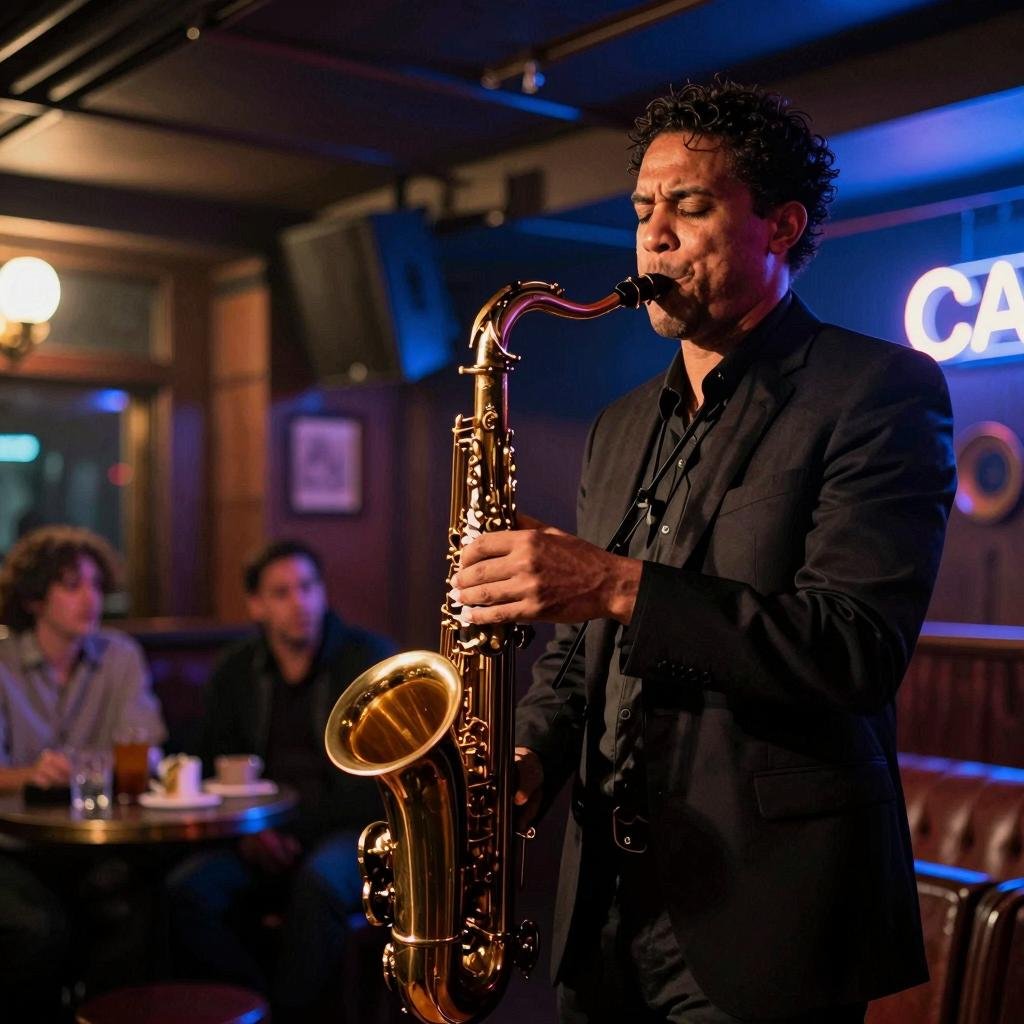

Verdict: Solid photorealism for the lowest credit cost. Background text is unreadable — expected with native models that aren't text-specialized. Great for atmosphere and mood shots where no text is needed.
Model 2: Ideogram V4 — Vintage Blues Festival Poster
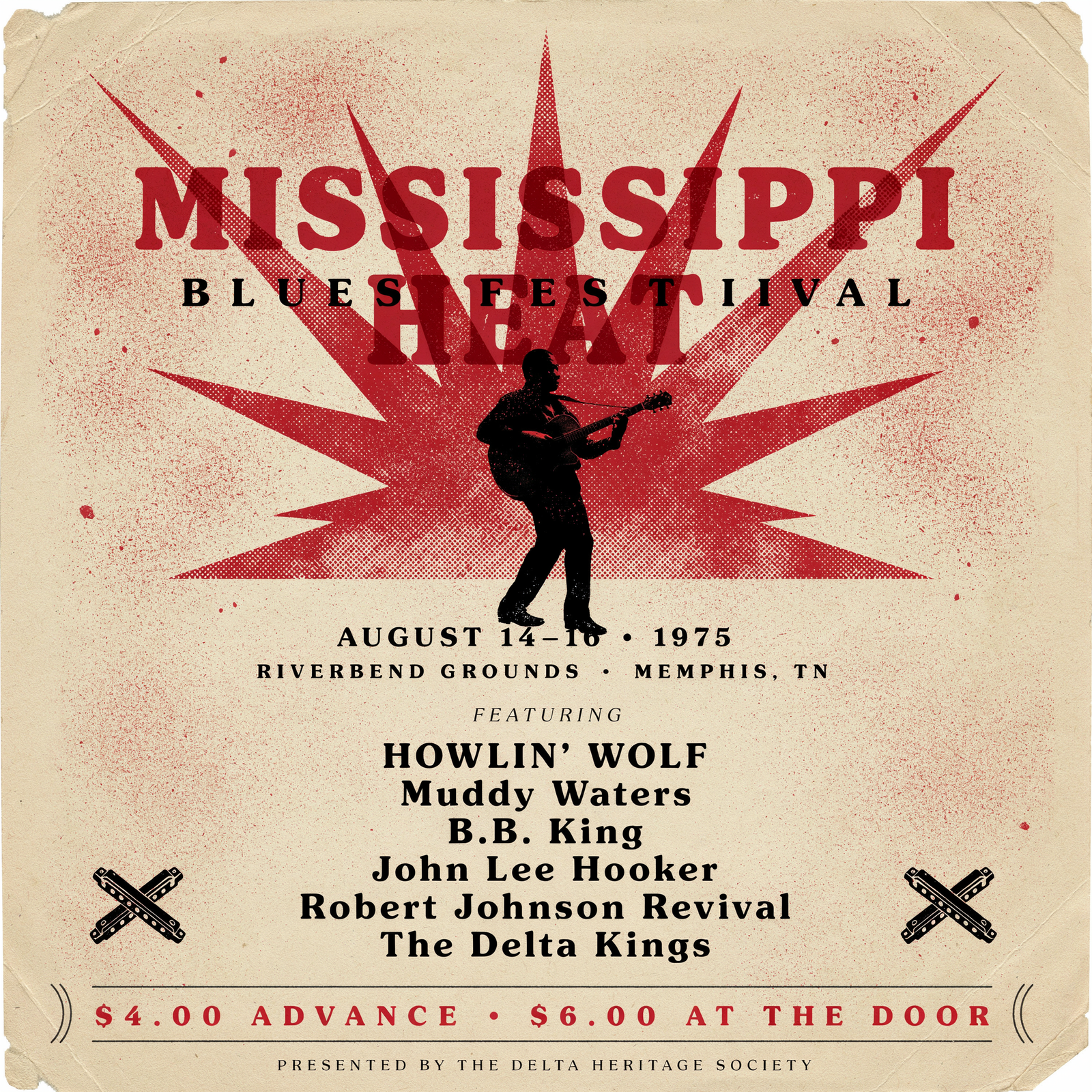

Verdict: Ideogram V4 produces the most convincing text-in-image of any model I tested here. Minor hallucinations (a doubled letter, a repeated line item) still appear — I'd expect to do light cleanup for a real deliverable. Still, no other model comes close for this use case. Worth the 3 credits per image.
Model 3: Flux.2 Pro — Product Photography


Verdict: Flux.2 Pro is the right choice for product photography and commercial imagery. These outputs could replace a mid-tier product photo shoot. The light handling — warm window light, marble surface reflection, wispy steam — is the best I've seen from an AI generator for this type of prompt.
Model 4: Midjourney V7 — Oil Painting Portrait
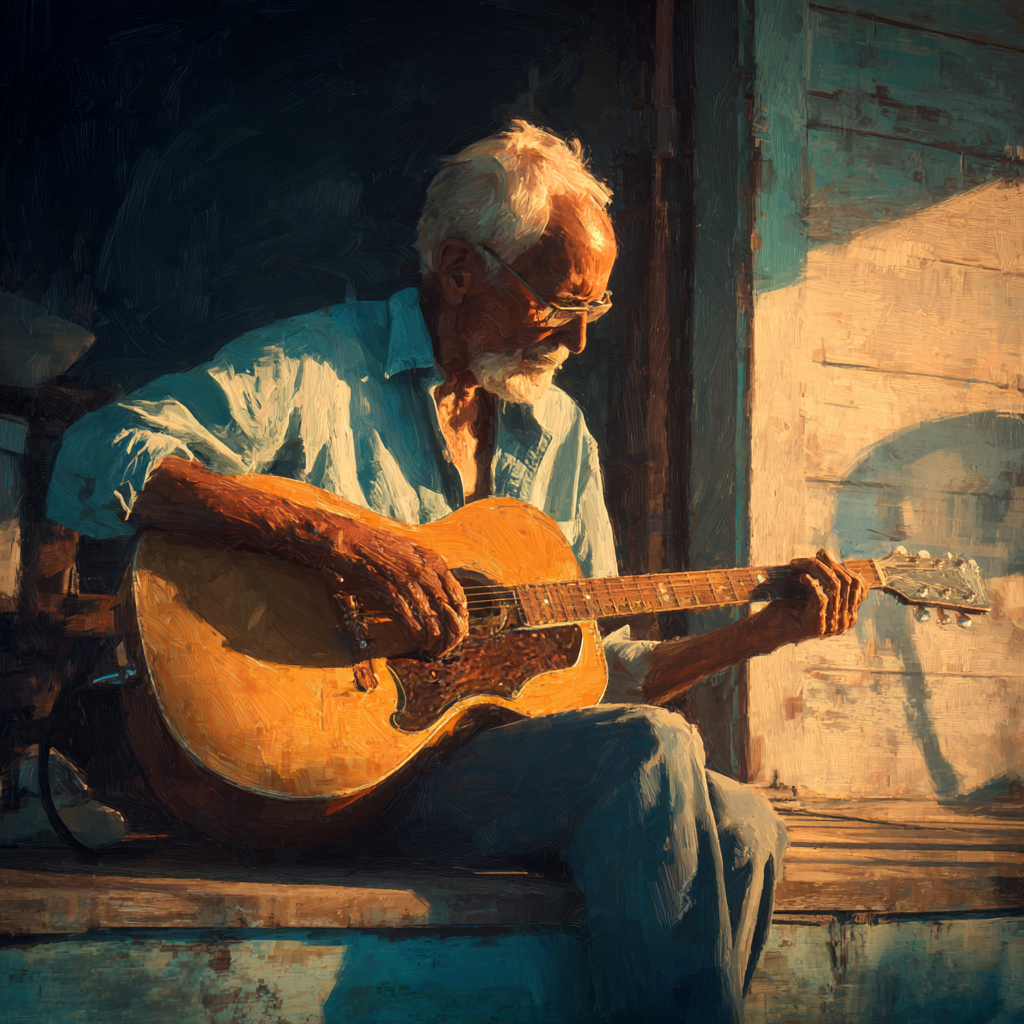
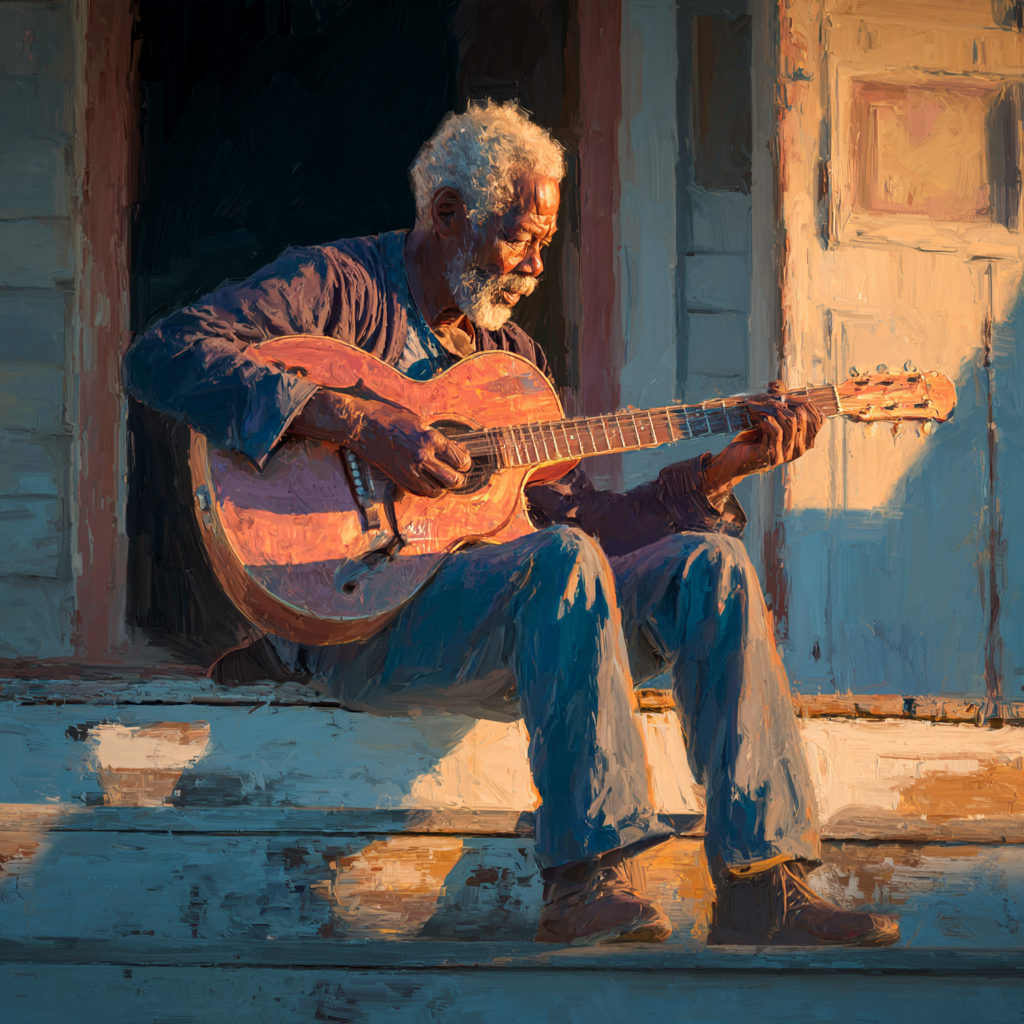
Verdict: This is Midjourney doing what it does best — and it's as good as what you'd get from the Midjourney platform directly. The composition, texture, and light in both outputs are exceptional. For anyone who wants Midjourney quality without paying for Discord access and a separate subscription, this is a compelling option.
Credit Costs by Model
Fotor uses a credit system across its entire platform. The AI Image Generator draws from the same credit pool. Here's what each model cost in my testing:
| Model | Credits / Image | Best For | Verdict |
|---|---|---|---|
| Fotor (Native) | ~1 credit | General photorealism, fast iteration | Good value |
| Ideogram V4 | 3 credits | Posters, banners, text-in-image | Worth it |
| Flux.2 Pro | 5 credits | Product photography, commercial realism | Worth it |
| Midjourney V7 | 2.5 credits | Artistic, painterly, creative work | Best value |
Who Should Use Fotor's AI Image Generator?
Best fit: Creators and small businesses who need occasional high-quality images across different styles — a product shot one day, a poster the next, an artistic illustration another time. Instead of subscribing to Midjourney + Flux + Ideogram separately, Fotor puts all three in one credit pool.
Also a good fit if: You want Midjourney V7 without Discord. Midjourney still requires a Discord account and its own subscription. Fotor removes that friction entirely.
Not the right tool if: You're a heavy daily user of one specific model. Running 50+ Midjourney images a day through Fotor's credits will cost more than a direct Midjourney subscription. At high volume, go direct.
The editing suite bonus: Unlike standalone generators, Fotor wraps the image generator inside a full photo editor with AI background removal, upscaling, retouching, and design tools. Generate a product shot with Flux.2 Pro and immediately remove the background — all without leaving the tab. That workflow is genuinely valuable.
Fotor Pricing
Fotor offers a free tier with limited monthly credits. The Pro plan unlocks more credits and removes watermarks. Pricing as of October 2026:
| Plan | Price | Credits | Notes |
|---|---|---|---|
| Free | $0 | Limited daily | Watermark on downloads; good for testing |
| Pro | From $8.99/month | More monthly credits | Watermark-free; access to all models |
Check Fotor's pricing page for current plan details — credit amounts and pricing have been updated frequently.
Try Fotor AI Image Generator
Free credits included. No credit card required to start testing the native model. Pro models (Midjourney, Flux, Ideogram) available on paid plans.
Try Fotor Free →Frequently Asked Questions
What AI models does Fotor's image generator use?
Fotor's AI Image Generator gives access to 13+ underlying models including Fotor's own model, Ideogram V4, Flux.2 Pro, Midjourney V7, FLUX.1 Kontext Pro, Kling, Seedream, and more. Different models cost different amounts of credits per image.
How many credits does Fotor AI Image Generator use?
Credit costs vary by model. In ClipVerdict's testing: Fotor's native model used the fewest credits per image; Ideogram V4 cost 3 credits per image; Flux.2 Pro cost 5 credits per image; Midjourney V7 cost 2.5 credits per image (5 credits for a 2-image batch). Flux.2 Pro is the most expensive at 5 credits per individual image.
Is Fotor AI Image Generator free?
Fotor offers free credits on signup to try the AI Image Generator. However, premium models like Midjourney V7 and Flux.2 Pro consume credits quickly. A paid Pro plan gives you enough credits for sustained use of top-tier models.
How does Fotor compare to using Midjourney directly?
Fotor gives you Midjourney V7 inside a web app without needing a Discord account. You also get access to a dozen other models from the same interface. The tradeoff is that heavy Midjourney use via Fotor's credits can cost more than a direct Midjourney subscription at high volume.
Is Fotor good for text-in-image generation?
It depends on the model. Fotor's native model struggles with readable text. Ideogram V4, available inside Fotor, is one of the best models for text-in-image — ClipVerdict's test produced vintage concert posters with mostly legible typography, though minor errors appeared in both outputs.